Through open laboratory sessions for secondary school students and a workshop dedicated to digital solutions for sustainable agricultural production, the Faculty of Agriculture at Goce Delcev University – Stip concluded three days of activities dedicated to young people, science, research and innovation in agriculture, under the motto “From the Laboratory to Production: Science, Digital Technology and Sustainable Agriculture”.
The final day featured two thematic activities – “Open Laboratories – Science through Practical Work” and the workshop “Digital Solutions for Sustainable Agricultural Production”. The aim was to bring together the academic community, educational institutions, agricultural producers, professional and advisory services, local authorities and the private sector through the exchange of knowledge, experience and good practices in applying modern technologies in agriculture.
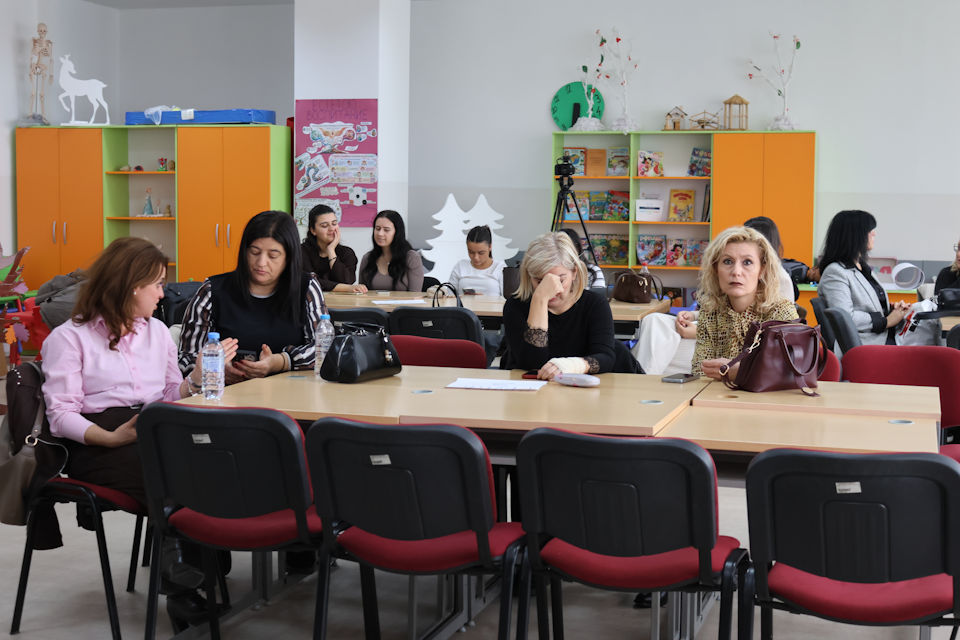
The Dean of the Faculty of Agriculture, Prof. Dr. Emilija Arsov, emphasised that by opening its laboratories, the Faculty enables secondary school students to gain first-hand insight into scientific research, conduct practical exercises and develop an interest in science.
“The Faculty aims to enable secondary school students to carry out their practical laboratory exercises and encourage their interest in science and research. We also presented graduating students with the opportunity to complete their project assignments using the laboratory facilities of the Faculty of Agriculture,” Arsov stated.
She stressed that young people should also become familiar with modern developments in agricultural production, which increasingly relies on digital tools and innovative methods. In this context, secondary school students had the opportunity to interact with the Faculty’s students and learn about the opportunities offered by modern agriculture.
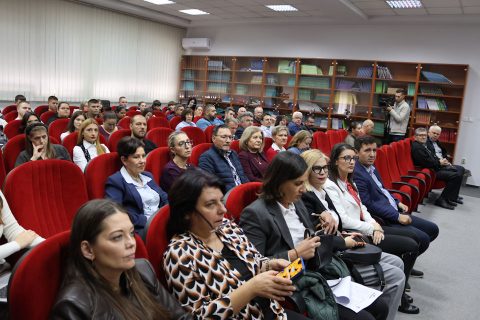
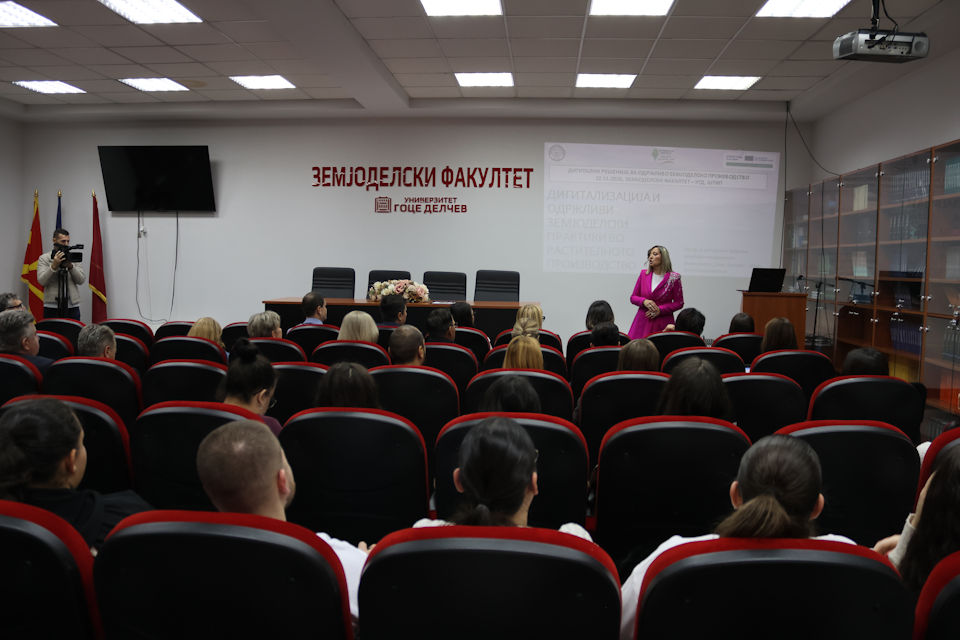
The second part of the activities focused on digitalisation and the application of new technologies in agricultural production, within the framework of a workshop organised through the “AgriExcel” project, funded by the European Union’s Interreg Europe programme. The Municipality of Kočani is the lead partner in the project, while the Faculty of Agriculture participates by providing professional and scientific support.
Elena Dimitrovska from the Municipality of Kočani noted that the workshop provides an opportunity to share positive experiences and good practices in applying digital solutions in livestock and crop production, gained through the project’s study visits.
“We cannot expect modern and sustainable agriculture to develop in isolation. Close cooperation between local authorities, the Faculty, private companies and farmers is essential. When the municipality supports and implements European projects, the Faculty provides expertise and innovation, private companies develop digital solutions, and farmers apply them in practice, we create a sustainable system that can contribute to the economic development of the entire region,” Dimitrovska emphasised.
Prof. Dr. Dimitar Nakov from the Faculty of Agriculture stressed that one of the main objectives is to transfer and apply at the local level the experiences and good practices observed in European countries. According to him, young people are important drivers of innovation, but successful digital transformation also requires the active involvement of agricultural producers and advisory services.
“We will make an effort to transfer the experiences gained during the project’s study visits to the local level. Young people are drivers of development in every sector, including agriculture, because they are the ones who will embrace new innovations and turn them into solutions for sustainable agricultural production. It is important to make new technologies, including artificial intelligence, more accessible to farmers,” Nakov stated.
He added that the adoption of new technologies is a process that requires time, cooperation and continuous support. However, experiences from European countries should be shared with producers and gradually become part of everyday agricultural practice.
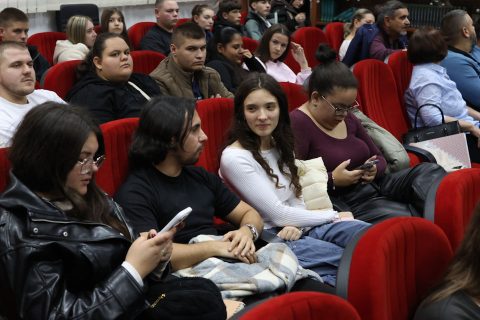
The concrete benefits, as well as the challenges associated with introducing digitalisation into agricultural production, were also discussed by Bube Trajkovski, owner of the company TD DZP “Klečovce”, based in Kumanovo, which is engaged in the production and trade of seeds and cereals. He pointed out that the company cultivates 1,050 hectares of agricultural land and that the use of modern technologies is essential for development and adaptation to climate change.
As a concrete example, he highlighted the use of a digital seed drill equipped with a navigation system, which enables precision seeding and automatically switches off the system in areas that have already been sown.
“Our company purchased a seed drill and a sprayer equipped with navigation systems back in 2018. However, it was only this year, after several years, that we managed to put the system into operation. Sowing was carried out using a digital seed drill, with the navigation system automatically switching off the equipment in areas that had already been sown. This is the new trend we are talking about, but achieving it requires considerable effort, hard work, scientific support and, of course, financial resources,” Trajkovski emphasised.
The three-day programme organised by the Faculty of Agriculture once again confirmed the importance of connecting education, science and practice. By engaging young people, exchanging European experiences and presenting modern technologies first-hand, UGD and the Faculty of Agriculture reaffirm their role in promoting innovation and the development of modern and sustainable agricultural production.