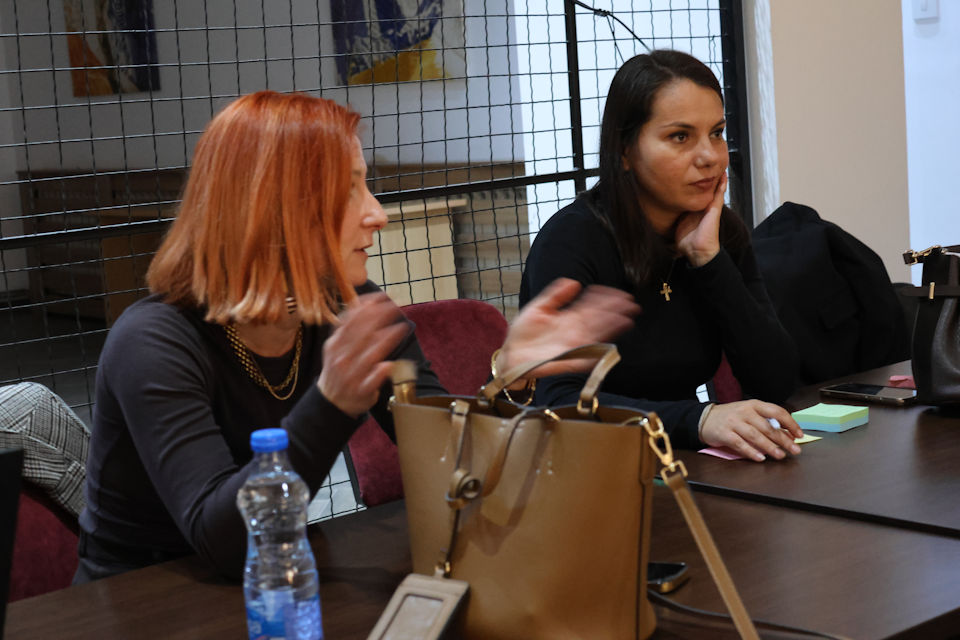
The “Constantin Brâncuși” University of Târgu Jiu, Romania, hosted the ACE2-EU mobility programme, which addressed one of today’s most widespread topics: “Fake News and Social Impact”. During the one-week programme, students had the opportunity to gain an in-depth understanding of the prevalence of fake news, its impact on social life, and ways to prevent its spread. Through practical lectures delivered by police representatives, they gained insight into the everyday problems arising from disinformation.
“During the lecture delivered by police representatives, we learned how important it is to carefully identify fake news. We should always check the source of the information, its author, and whether the same news has been published by other media outlets. We should pay particular attention to exaggerated and alarming headlines, fake photographs, and information that causes fear or panic. Most importantly, we need to think critically, avoid believing everything we read online, and refrain from sharing unverified information,” says Angela Hristovska, a General Medicine student at Goce Delcev University.
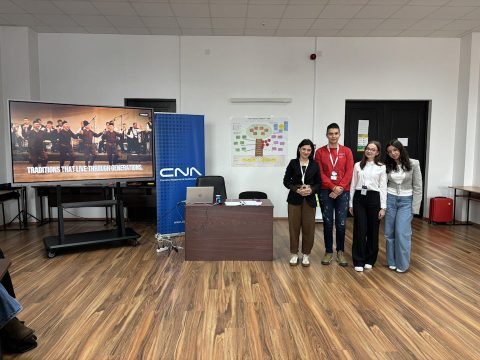
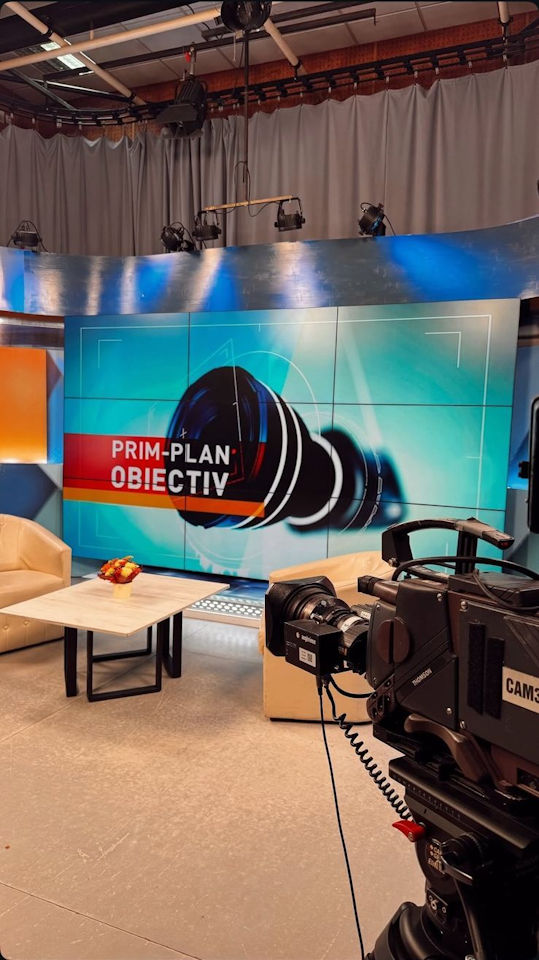
The visit to some of Romania’s most developed television and radio stations enabled students to gain first-hand insight into the journalism profession, the process of creating media content, and the responsibility of the media in informing the public.
“The visit to the radio and television stations in Craiova, Romania, was an especially valuable professional experience for me and an opportunity to learn first-hand how the media operate in another European Union member state. In terms of organisation and working methods, the television station operates on a similar principle to media outlets in our country. However, what impressed me most was the openness, professionalism, and willingness of the employees to share their experience with us. They also gave us the opportunity to participate in practical activities in the studio. The visit to the radio station, on the other hand, offered me a different perspective, particularly regarding its spatial and technical capacities, with numerous studios, rooms, and equipment.
I was especially impressed by the motivation and enthusiasm of the people working in this profession. My personal impression is that their dedication and belief in the work they do are at a particularly high level. It was also interesting to see that, despite the rapid development of technology and social media, they do not view these changes as a threat to radio, but rather as a challenge to which they are successfully adapting.
As a student of Media Studies and Public Relations, this was a valuable opportunity to compare different media practices, gain new knowledge and, above all, find additional motivation for my own professional development,” emphasises Evgenija Doneva, a Media Studies and Public Relations student at Goce Delcev University.
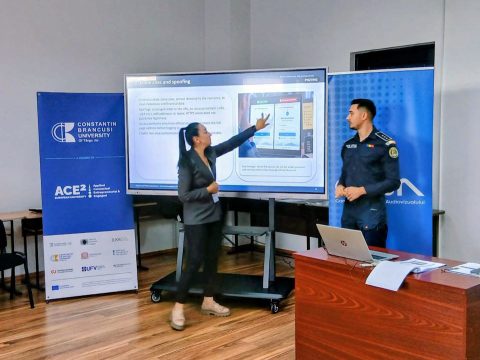
As a result of developments in artificial intelligence, new challenges concerning the accuracy and reliability of information emerge every day. Critical thinking and checking information sources are essential for young people to protect themselves from misinformation.
“Be a generation that recognises the truth! At a time when information spreads faster than ever before, it is important to learn how to distinguish between accurate information and fake news. Do not believe everything you read on social media. Check your sources, compare information from different media outlets, pay attention to publication dates, and do not share content before making sure it is accurate.
Remember that a single piece of unverified information can create a distorted picture of reality and influence other people’s opinions. I hope there will be many more international projects like this one, giving young people the opportunity to exchange experiences and gain new knowledge in an intercultural environment,” says Aleksandar Trajkovski, a student at the Faculty of Law at Goce Delcev University.