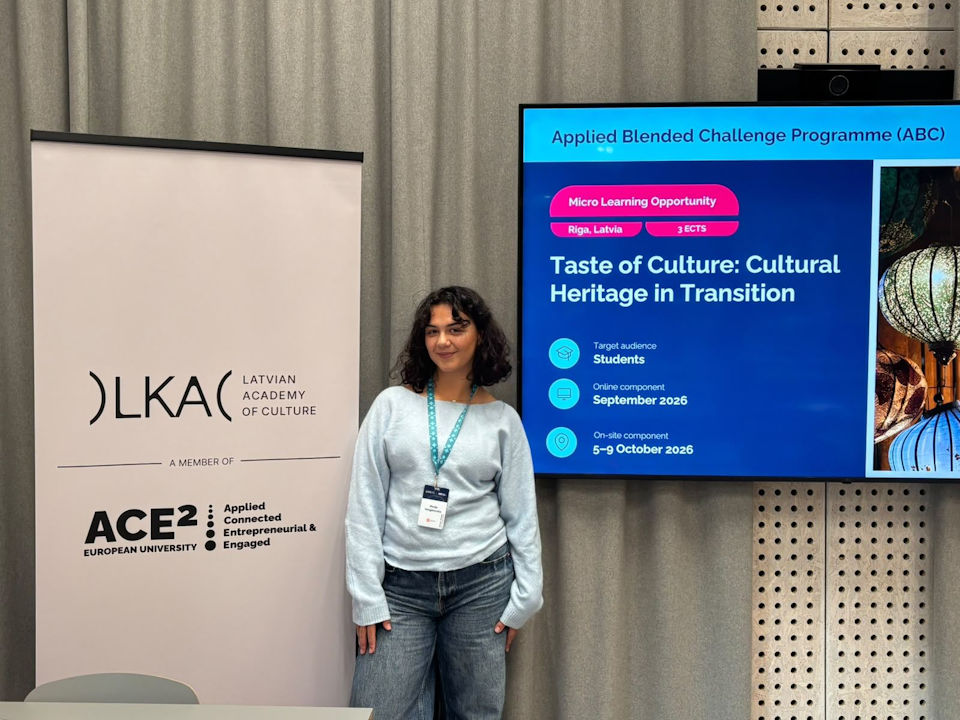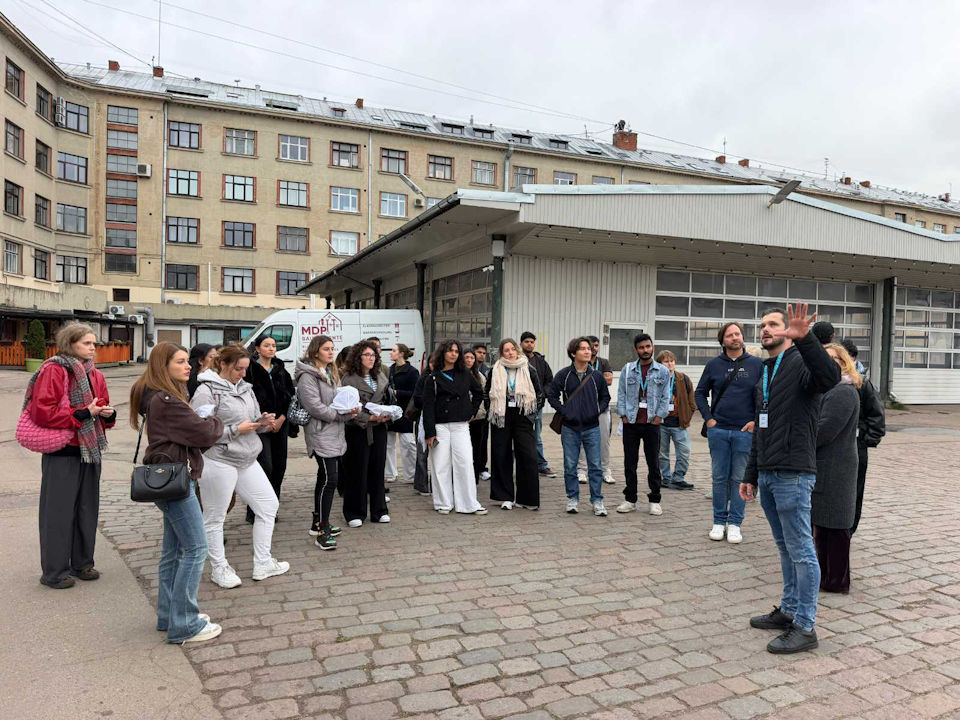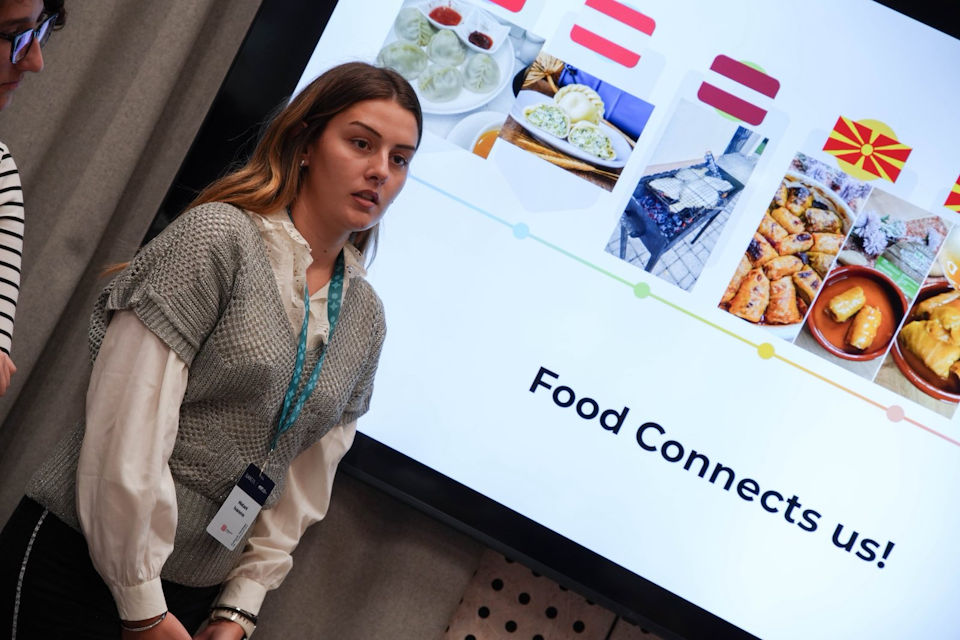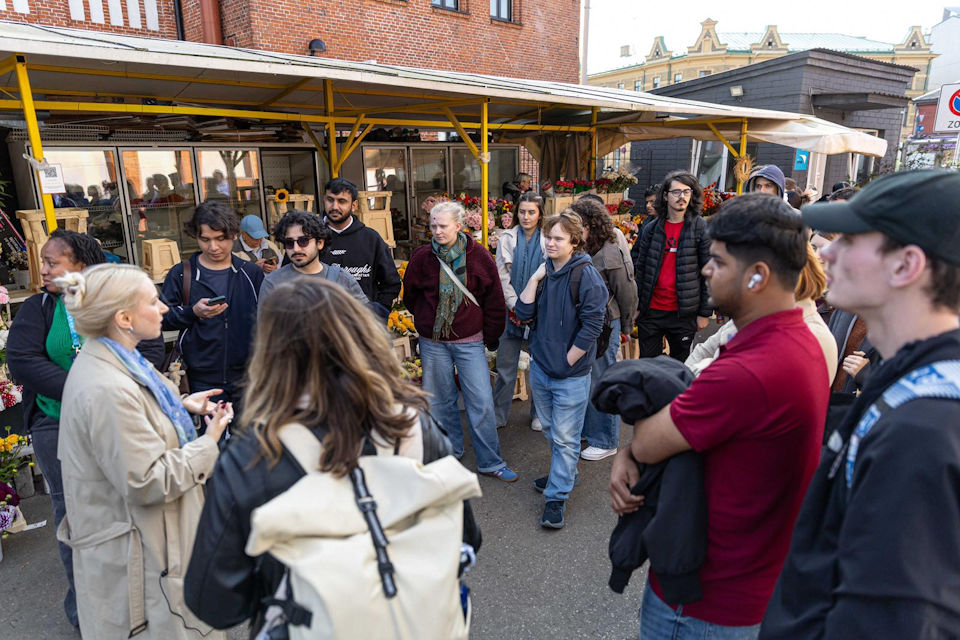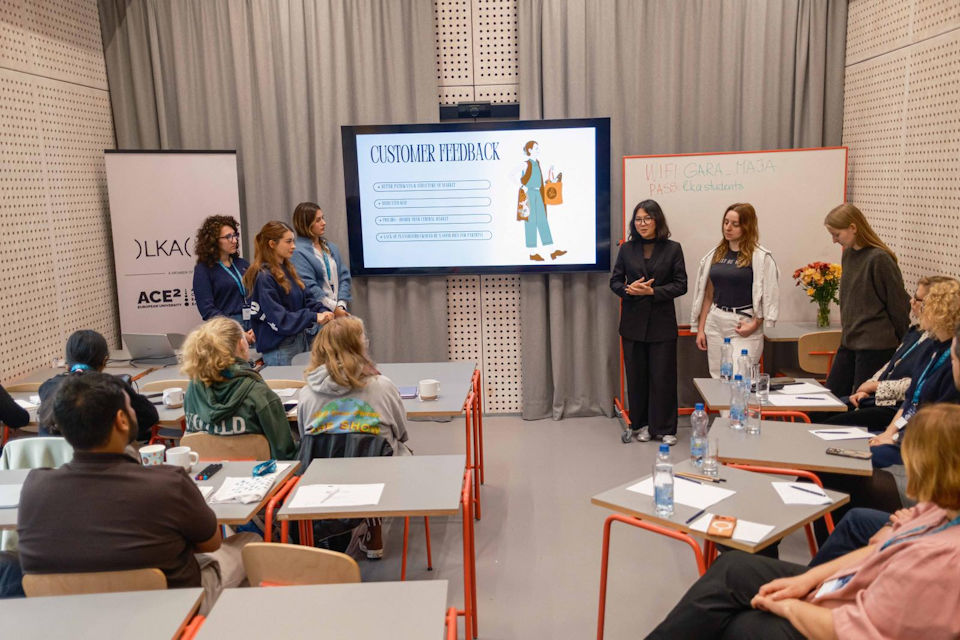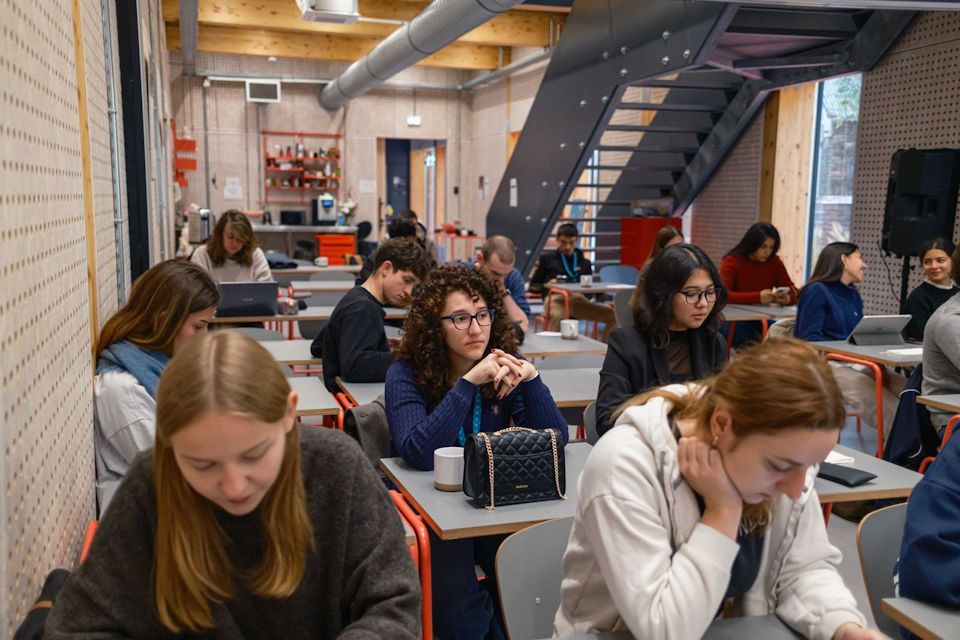
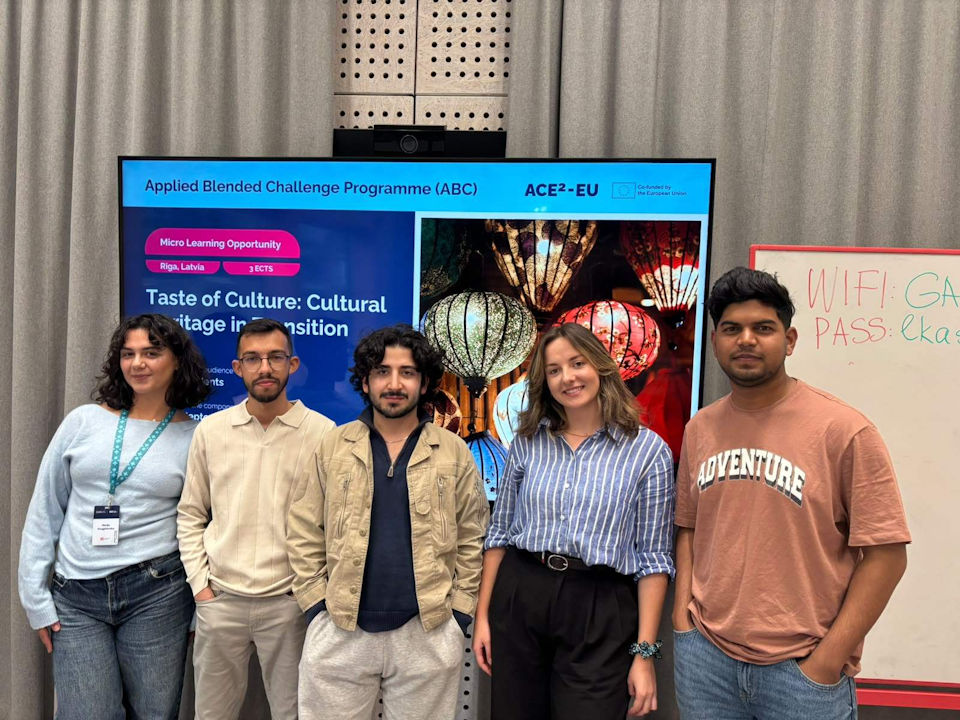
Melani Ivanova, a student at the Faculty of Law; Anastasija Arsova, a General Medicine student; and Marija Vangelovska, a Pharmacy student, took part in the international mobility programme “Taste of Culture: Cultural Heritage in Transition – Sustaining Traditional Products in the 21st Century” in Riga, Latvia. As part of the ACE²-EU Alliance programme, the students explored ways to bring traditional food and local producers closer to young people.
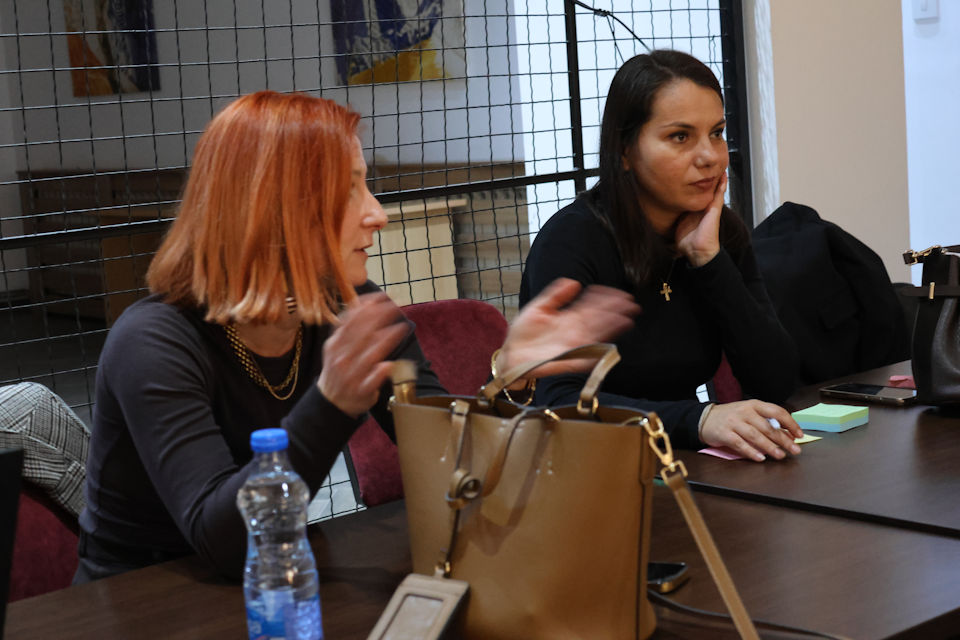
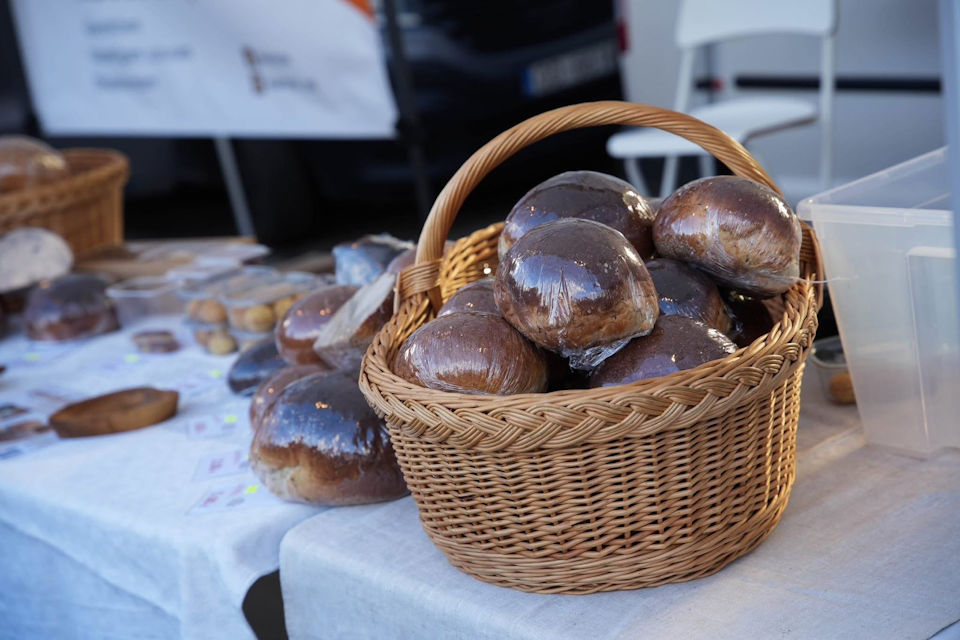
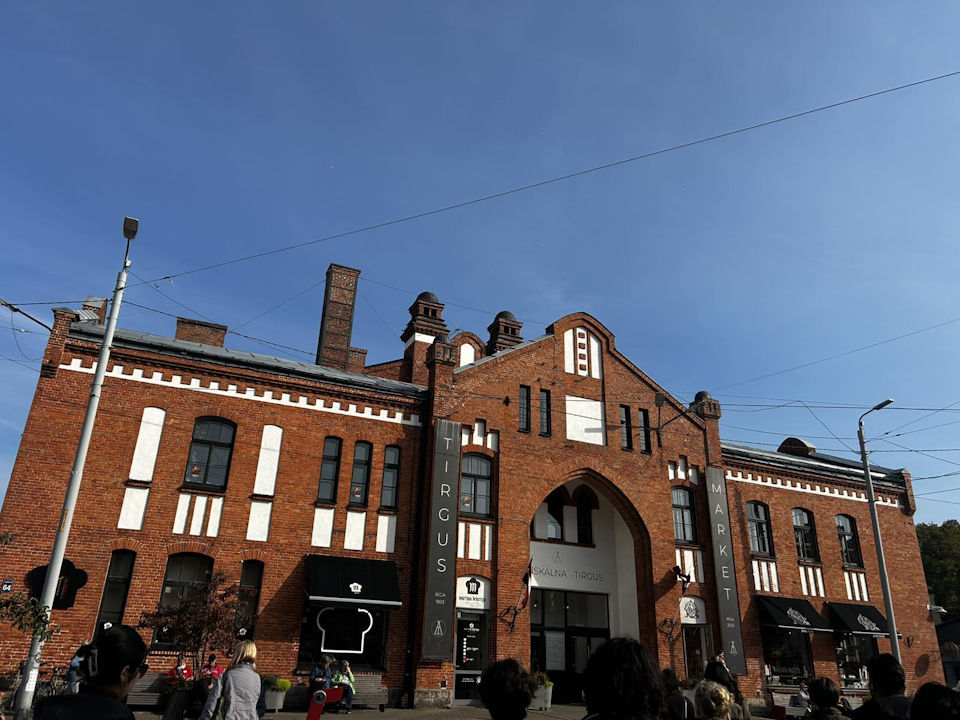
One of their tasks was to develop ideas for the Vidzemes Tirgus market in Latvia. Discussions with the market manager, producers and visitors helped them gain a better understanding of the needs of the local community.
“Our goal was to position the market not only as a place to shop, but also as a distinctive cultural and social landmark of Riga,” says Anastasija Arsova.
Her team worked on a marketing strategy to increase the market’s visibility, particularly among young people. One of their ideas was to showcase traditional recipes on social media, accompanied by stories about their origins and their significance within families.
Melani Ivanova chose the traditional dish sarma (stuffed cabbage rolls). She presented it as a meal that brings family members together almost every week during winter, describing the journey from preparing the fermented cabbage to serving the dish at the family table.
“Sarma is a timeless traditional specialty in our country and in my family. It is a reason for all of us to gather in one place almost every week during winter,” Melani explains.
Her conversations with the producers showed her how important it is for traditional products to receive greater attention and support from consumers.
For Marija Vangelovska, working on the project “Reimagining Vidzeme Market: A Community-Centred Cultural Market for Riga” was an opportunity to reflect on how the market could connect local producers, traditional food and the community.
“Tradition should not only be preserved, but also developed in a way that engages younger generations and the local community,” Marija emphasizes.